
Health Benefits of Exercise: A Complete and Simple Guide for Everyone
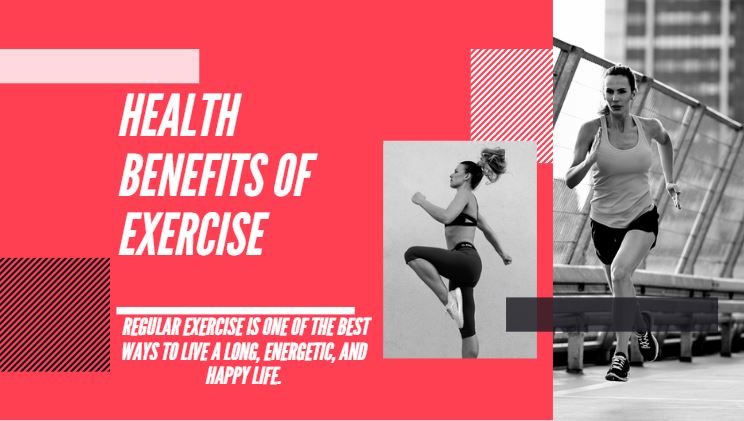
Eating healthy is important, but it’s only part of staying well. Regular exercise is one of the best ways to live a long, energetic, and happy life. You don’t need to be an athlete or join an expensive gym. Even simple daily activities like walking, stretching, or playing outside can make a big difference.
This guide explains the main health benefits of exercise, why it’s important for people of all ages, and how you can start today—even if you’re a beginner.
1. What Is Exercise?
Exercise is any physical activity that moves your body and uses energy. Some examples include:
- Walking
- Running
- Swimming
- Cycling
- Strength training
- Yoga
- Dancing
- Sports
Regular movement keeps your muscles, bones, heart, and brain strong.
2. Why Exercise Is Important for a Healthy Life
Being active helps your body work better. It improves:
- Physical health
- Mental health
- Emotional well-being
Experts recommend at least 30 minutes of daily activity. Even if your life is busy, small movements can give you big health benefits over time.
Also Read : York Tech D2L:
3. Top York Tech D2L: Physical Health Benefits of Exercise
3.1 Stronger Heart and Better Blood Flow
Exercise makes your heart pump blood more efficiently, which lowers your risk of:
- Heart disease
- High blood pressure
- Stroke
Even brisk walking or cycling can improve your heart health.
3.2 Helps with Weight Management
Exercise burns calories and boosts your metabolism. This helps your body use energy more efficiently, even at rest. Benefits include:
- Reducing body fat
- Preventing obesity
- Improving body shape
Combining exercise with healthy eating makes weight management easier and more natural.
3.3 Builds Strong Muscles and Bones
Physical activity strengthens muscles and supports bones. Activities like weight training, resistance exercises, and stair climbing help:
- Increase muscle strength
- Improve bone density
- Prevent osteoporosis
- Enhance posture
Stronger muscles and bones help you stay active as you age.
3.4 Strengthens the Immune System
Regular exercise boosts your immune system, helping your body fight:
- Viruses
- Infections
- Seasonal flu
People who exercise often tend to get sick less frequently.
3.5 Improves Sleep Quality
Exercise helps your body relax at night, making it easier to:
- Fall asleep faster
- Sleep more deeply
- Wake up refreshed
Avoid heavy workouts right before bedtime for best results.
4. Mental and Emotional Benefits of Exercise
4.1 Reduces Stress and Anxiety
Exercise releases endorphins, also called “happy hormones”. They help:
- Reduce stress
- Calm anxiety
- Relax the mind
Even a short 10-minute walk can lift your mood.
4.2 Boosts Mood and Happiness
Exercise increases serotonin and dopamine in the brain, which improves mood and emotional balance. Benefits include:
- Reducing sadness
- Preventing depression
- Increasing confidence
People who exercise regularly often feel more positive and energetic.
4.3 Improves Brain Power and Memory
Physical activity increases blood flow to the brain. This helps you:
- Think clearly
- Improve memory
- Stay focused
- Learn better
Exercise benefits people of all ages, from children to older adults.
4.4 Helps Fight Depression
Many studies show that regular exercise can work as effectively as medicine for mild depression. It provides:
- Relaxation
- Purpose
- Social interaction
- Better mood
Exercise is a natural way to support emotional health.
5. Long-Term Health Benefits of Regular Exercise
5.1 Reduces Risk of Chronic Diseases
Exercise can prevent many serious health problems, including:
- Type 2 diabetes
- Heart disease
- Certain cancers
- High cholesterol
- High blood pressure
Being active can even add years to your life.
5.2 Supports Healthy Ageing
As you grow older, exercise helps you:
- Stay mobile
- Avoid falls
- Improve balance
- Maintain independence
Active seniors enjoy a higher quality of life.
5.3 Improves Skin Health
Exercise improves blood circulation, which brings oxygen and nutrients to your skin. Benefits include:
- A healthy glow
- Fewer wrinkles
- Faster skin repair
Sweating also helps remove toxins from your body.
6. Social Benefits of Exercise
6.1 Builds Relationships and Friendships
Joining a walking group, sports team, or fitness class can help you meet new people. Social exercise improves:
- Teamwork
- Motivation
- Friendships
Exercise is more enjoyable when done with others.
6.2 Encourages Healthy Habits in Families
When parents exercise, children notice and learn. This creates long-term healthy habits, including:
- Better health
- Stronger family bonds
- Fun shared activities
Families that exercise together often stay healthier together.
7. How to Start Exercising: Simple Tips for Beginners
Starting doesn’t need to be difficult. Try these easy steps:
7.1 Start Small
Begin with:
- 10 minutes of walking
- 5 minutes of stretching
- Light home workouts
Small steps lead to big changes.
7.2 Choose Activit&ies You Enjoy
Exercise should be fun, not a chore. Choose what you like:
- Dancing
- Swimming
- Playing sports
- Cycling
Enjoyment makes it easier to stay consistent.
7.3 Set Clear and Simple GoalsExamples:
- Walk 5,000 steps per day
- Exercise 3 times per week
- Stretch every morning
Short goals keep you motivated.
7.4 Stay ConsistentConsistency matters more than intensity. Even moderate daily activity brings long-term benefits.
7.5 Listen to Your BodyDon’t overdo it. Rest when necessary. A healthy routine includes:
- Exercise
- Hydration
- Good sleep
- Balanced nutrition
8. Best Types of Exercise for Overall Health
8.1 Cardio ExercisesGood for heart and lungs:
- Jogging
- Walking
- Cycling
- Aerobics
- Swimming
8.2 Strength Training
Builds muscles and protects joints:
- Dumbbells
- Resistance bands
- Bodyweight exercises
- Push-ups and squats
8.3 Flexibility Exercises
Keep the body loose and prevent injuries:
- Yoga
- Stretching
- Pilates
Especially useful for older adults:
- Tai chi
- Standing on one leg
- Heel-to-toe walking
9. Common Mistakes to Avoid
- Doing too much too quickly
- Skipping warm-ups or cool-downs
- Not drinking enough water
- Using poor posture
- Not taking enough rest
Avoiding these ensures safe and effective exercise.
10. Conclusion: Exercise for a Healthy and Happy Life
Exercise is one of the greatest gifts you can give your body and mind. It keeps you strong, fit, and mentally fresh. No matter your age or schedule, there is always a simple way to move.
Remember:
A healthy life begins with one small step.
FAQS
1. How many minutes should I exercise daily?
At least 30 minutes is recommended, but beginners can start with 10 minutes.
2. Can I exercise at home?
Yes! Walking around your house, stretching, or home workouts all count.
3. Which exercise is best for weight loss?
Walking, running, and strength training work best when paired with healthy eating.
4. Is exercise safe for older adults?
Yes, light walking, stretching, and balance exercises are safe for seniors.
5. How long before I see results?
Most people feel better in 2–3 weeks; visible physical changes appear after 6–8 weeks.
6. Can exercise improve mental health?
Yes, it reduces stress, depression, and anxiety while boosting mood.
7. What should I eat before exercise?
Light foods like fruit, yogurt, nuts, or whole grains are best.